

All the Feels
Unexpected pregnancies can bring a range of emotions. You may notice conflicting feelings that are hard to hold at the same time.
This dimension invites you to notice what you are feeling, what may be beneath those emotions, and how to engage them with clarity and care.
The many feelings
you might have right now:
I feel a deep sense of loss about something I can’t put words to.
I’m desperate for a do-over.
I didn’t expect this, but part of me feels kinda excited.
I feel torn between different parts of myself.
I feel scared—like the ground has disappeared under my feet.
I feel curious about what this could become.
I feel so alone. I don’t know who to turn to.
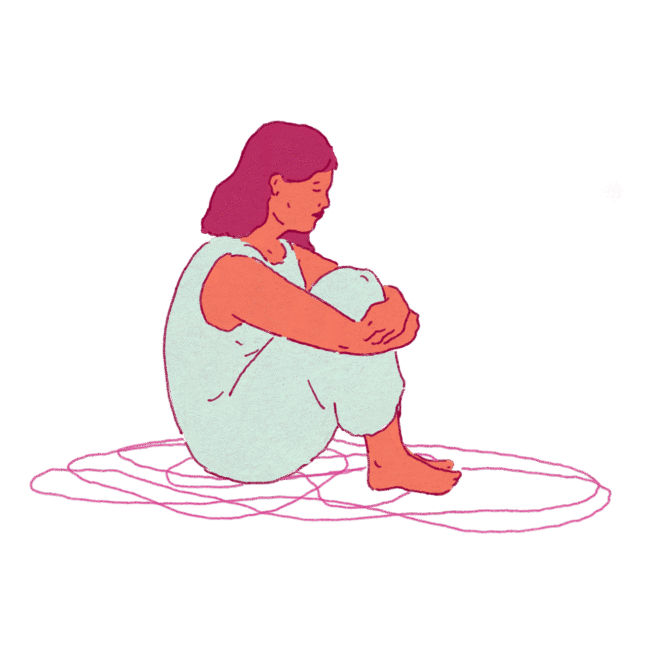
There’s No Wrong Way to Feel
Feelings are not good or bad – they are just part of being human. You might be wondering, “how can I make this go away?”, but it’s important to stay with the feelings. Pushing them away can make it harder to deal with them in the future. Even the toughest feelings don’t last forever.
The Big Three: Processing Shame, Grief and Fear
During our research, we learned that shame, grief, and fear are among the most commonly experienced emotions by women facing an unplanned pregnancy. Learn a little more about them so you can identify if you are feeling any of these. Then we can do some exercises to work through them.
-
Reframing Shame
Shame
Shame can distort how we see ourselves and make it harder to feel connected.
-
Overcoming Grief

Grief
Grief isn’t just about losing someone. It’s about losing anything that matters to you.
-
Facing Fear
Fear
Fear isn’t a sign that something is wrong with you. It’s a response to feeling uncertain or unprotected.
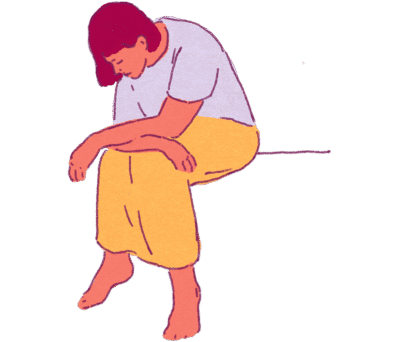
Shame is one of the hardest feelings we face, but we can fight it.
Shame is that painful, sinking feeling that we’re flawed and unworthy of love or connection. For many women, an unintended pregnancy can bring up deep feelings of shame and regret that often stems from society, family, or your own expectations about who you “should” be.
But, you do not have to be defined by the expectations placed on you. You can decide for yourself who you are and how you want to show up in the world right now.
How to Fight
Shame
Be kind to yourself
- Start by acknowledging the feeling without judgment.
- Shame might say, “I am bad,” but that’s not true. Self-compassion would say, “Mistakes happen; circumstances don’t define us.”
Challenge negative thoughts
- Ask, “Is this really true?” Replace harsh words with truthful, gentle ones.
Practice empathy
- If a friend felt this way, what would you say to them? Offer yourself the same kindness.
Talk about it
- Shame thrives in silence. Share your feelings with someone you trust.
Don’t reframe your identity
- One experience does not define you. You’re still you!
- Think of this as a chapter in your story, not your whole story…because it’s not!
Speak to a Counselor
If feelings of shame feel overwhelming or hard to work through on your own, it may help to reach out to a trusted friend or a counselor. Having someone safe to talk to can help you feel less alone.
Transform Your
Shame Statements
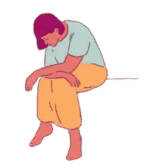

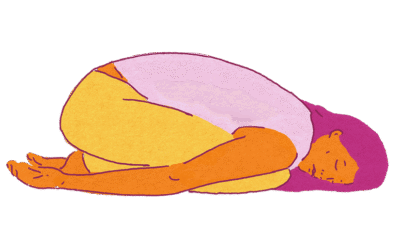
Grief Can Come from Losing Anything that Matters to You
If you’re facing an unexpected pregnancy, it’s normal to feel sadness for the life you imagined, the future you planned, or even the version of yourself you thought you knew.
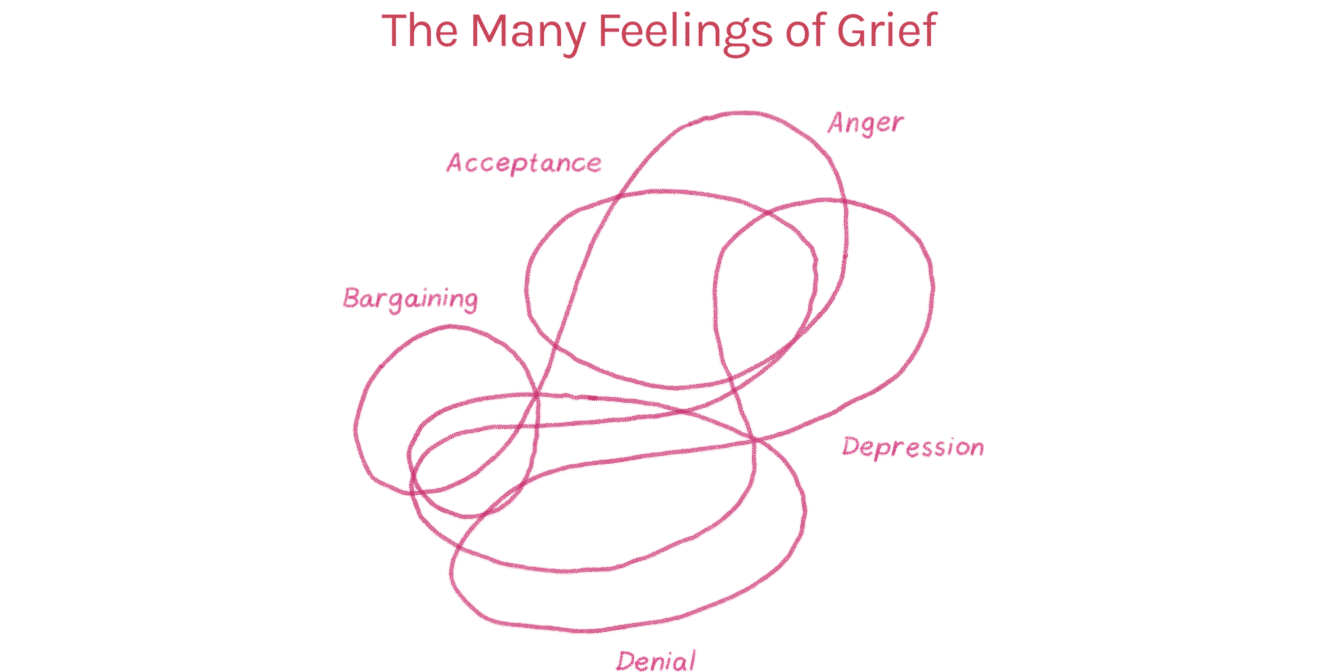
The Grief Process
Grief rarely moves in a straight line. It can feel tangled and unpredictable, more like circling through different emotions than passing through clear stages.
Many people recognize familiar "stops" along the way, but the path itself is very personal.
Shock and Disbelief
Feeling numb or in denial protects you from intense pain and feeling overwhelmed as you process the loss.
Intense Emotions
Sadness, anger, and bargaining for a ‘do-over’ are common feelings. Guilt or anxiety may hit in waves and feel overwhelming.
Searching for Meaning
You may find yourself searching for meaning in this experience, and you are invited to explore what that means for you. At the same time, this does not have to make sense right now. It can be helpful to think of this part as learning how to hold both meaning and uncertainty at once.
Acceptance and Adjustment
Over time, you may find ways to honor what has been lost, offer yourself or others forgiveness if needed, and loosen the grip of “what if” thoughts while slowly making room for what comes next in your life.
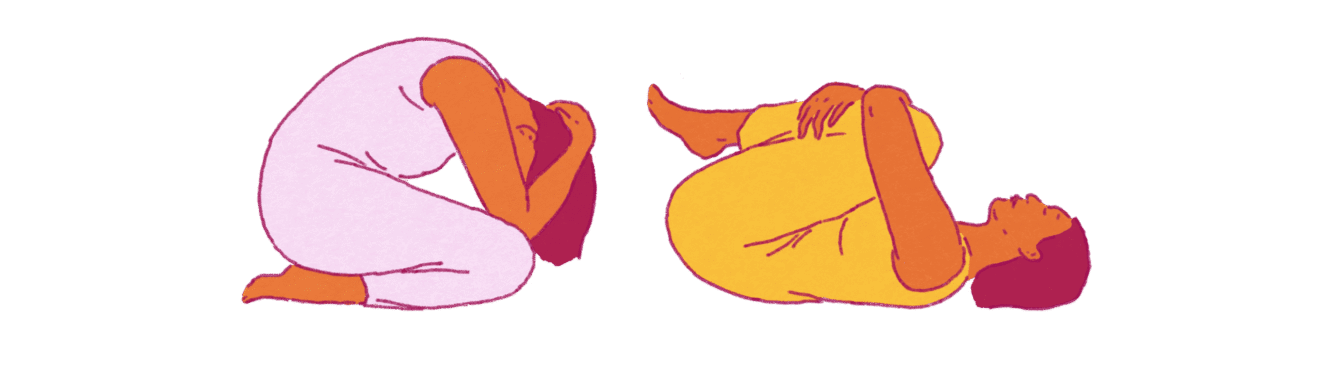
How grief shows up
in the body
Grief isn’t just something we feel in our hearts or minds; it can affect our bodies too. You might notice symptoms like:
- Crying
- Headaches
- Trouble sleeping
- Fatigue and low energy
- Aches, pains, and tension
- Loss of appetite
- Anxiety or worry
- Detachment or numbness
- Questions about life or your beliefs
- Feelings of guilt or anger
If feelings of grief are overwhelming or hard to work through on your own, it may help to reach out to a trusted friend or a counselor. Having someone safe to talk to can help you feel less alone.
Coping with Grief during an Unplanned Pregnancy:
Journaling can be a really helpful way to process all you are thinking and feeling. If journaling is not your thing, these can also be great discussion questions for you and your partner, or as conversation starters with a trusted friend.
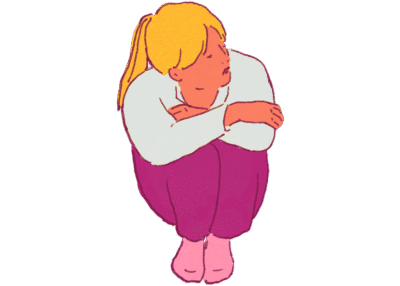
Feeling afraid? That’s normal.
Fear can be one of the biggest, most immediate emotions when facing an unexpected pregnancy because it touches virtually every dimension of your life: relationships, finances, your future, your body.
Suddenly, life can feel full of unknowns and “what if’s.” The questions and uncertainty can feel overwhelming. But know that feeling this way is completely normal, there’s ways to address it, and it won’t last forever.
Do Any of These Sound Familiar?
- When I think about the future, I feel anxious about what lies ahead.
- What if people judge me?
- I’m concerned my relationships will change or end.
- I’m scared of being abandoned.
- What if I don’t have what I need to support myself?
- I feel like I’m losing control over my life, my body, my plans.
- How will I ever make this decision when I don’t like any of the options?
If you are experiencing any of these, you are not alone. But, if fear begins to feel overwhelming or difficult to sort through on your own, reaching out to a trusted friend or counselor can be helpful. Having someone safe to talk with can bring support and perspective.
Here are some common ways our thoughts can get us in trouble. Therapists often call these “cognitive distortions”. We will refer to them as “thinking errors”.
Catastrophizing
Expecting the absolute worst outcome. (e.g., "This has ruined my life.")
Black & White Thinking
Seeing only extremes, with no middle ground. (e.g., "There is only one right choice, and if I choose wrong, everything will fall apart.")
Overgeneralization
Making broad conclusions from one experience. (e.g., "My partner isn’t supporting me now, so I can’t count on anyone, ever.")
Jumping to Conclusions
Assuming you know what others think. (e.g., "Everyone thinks I’m stupid for getting pregnant.")
Fortune Telling
Predicting a negative future without evidence. (e.g., "I will never recover financially from this.")
Emotional Reasoning
Assuming that because you feel something, it must be true. (e.g., "I feel trapped, so there must not be a good option for me.")
“Should” Statements
Setting impossible standards for yourself. (e.g., "I should have had my life figured out by now.")
How to Challenge Fearful Thoughts
“Thinking errors” can quietly shape how we see ourselves, our options, and the future. Learning to examine unhelpful thinking with reason can reduce fear and open up clearer choices.
Here is one way to practice.
Begin by finding a quiet place where you can reflect without distractions.
There’s no “right” way to do this. Whatever you feel is valid.
Take breaks if it feels like too much.

WANT TO KEEP EXPLORING YOUR NEEDS?
Unexpected pregnancies can impact may areas of your life. Every part of your life that matters to you is allowed to be considered here. Explore each one now.
Learn more