
Safely Exit
holdhands2
Relational Needs

Your People

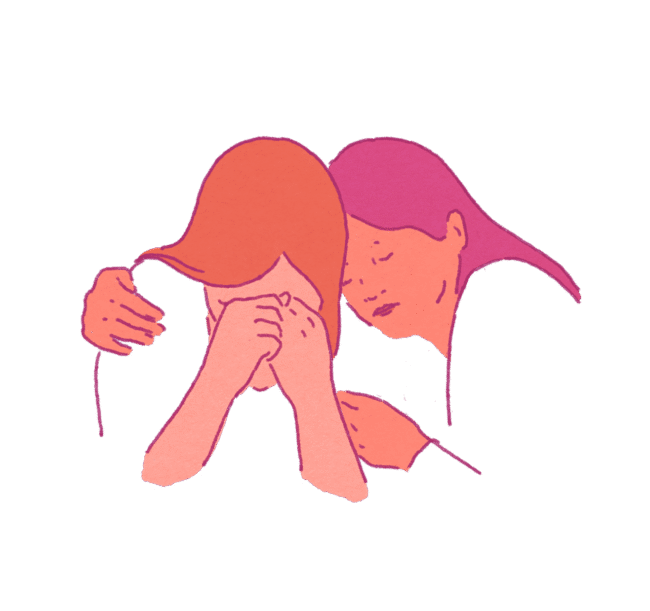
Supportive relationships matter a lot during an unexpected pregnancy.

This dimension invites you to reflect on how this pregnancy is affecting your relationships, where you feel supported or alone, and how to engage others in ways that protect your voice and your well-being.
friends2

What Women Say They Really Need

When you are unexpectedly pregnant, it can feel terrifying to talk to anyone about it while also feeling unbearably lonely. You might be afraid of rejection or shame. Or you might be hoping the pregnancy would just go away. (Unfortunately, miscarriage rarely happens.) Keeping it a secret can be tempting, but it just isolates you.

It can be good to take some time to process. But when you’re ready, it’s really important to reach out to someone safe, someone who can just be there with you. Women consistently report that having emotional support is among their top needs when facing an unintended pregnancy.  Finding a trusted friend, family member, or even a counselor can make a huge difference.

How This Pregnancy May Be Affecting Your Relationships

An unplanned pregnancy can affect your relationships in ways that feel sudden and intense, even before you decide who to tell.

Intense Reactions

You may notice that the reactions of people close to you carry more emotional weight than usual. Support, disappointment, or silence can feel amplified in this moment.

This awareness can help you understand how others’ responses may be shaping your own.

Changes in Safety or Dependence

You may feel more aware of what you rely on others for, whether emotionally, financially, or practically. This can affect how safe it feels to speak openly or ask for what you need.

Paying attention to this can help you recognize where you may need support and where you may need care or caution.

Sensitivity to Judgment

You may find yourself anticipating how others will react, even before any conversations happen. Fear of being judged or misunderstood can make normally safe relationships feel uncertain.

Awareness of this sensitivity can help you separate real risk from anticipated reactions.

Feeling Pulled Between Connection & Protection

You may want support while also wanting to protect yourself from pressure or conflict. This tension can make pulling away feel safer, even when you don’t want to be alone.

Noticing this pull can help you choose connection in ways that feel safe and supportive, rather than remaining isolated over time.

Exercise

Who’s Safe to Reach Out To?

Not everyone is emotionally safe, which is why it’s important to define what “safe” is.

A safe person listens with compassion, honors your boundaries, keeps your confidence, and respects that the decision is yours.

This person responds well, doesn’t overreact, and doesn’t try to solve things for you or take over the conversation and situation.

An unsafe person pressures you, dismisses your feelings, shares your pregnancy without permission, or tries to make the decision for you (even if they mean well).

Seeking counsel is different. Counsel offers perspective and asks thoughtful questions while leaving ownership of the decision with you.

  • Using the descriptions above, think about who these people might be in your circle.
  • Write down the names of people in your life who consistently listen with compassion, honor your boundaries, keep your confidence, and make you feel valued without rushing or pressuring you.

If you’re not sure, try thinking about people who have felt safe to talk to in the past. Instead of focusing on roles or titles, consider who has listened without reacting strongly, taken you seriously, and stayed steady when you shared something difficult.

  • If you’re realizing that there truly isn’t anyone in your life who feels safe to talk to right now, that’s important to acknowledge.
  • In situations like this, seeking confidential support from a counselor, healthcare provider, or trusted professional can offer perspective and stability while you take your next steps.

Crisis Resources →

  • Use our companion exercise “How To Tell People You Are Unexpectedly Pregnant” to plan out difficult conversations.
Exercise

Try It Out: How to Tell Your People You are Unexpectedly Pregnant

Some conversations are necessary even if they’re uncomfortable. Preparing ahead of time can help you feel more grounded and clear about what you need. Some of these conversations may involve unequal power or strong emotions, which can make preparation especially important.
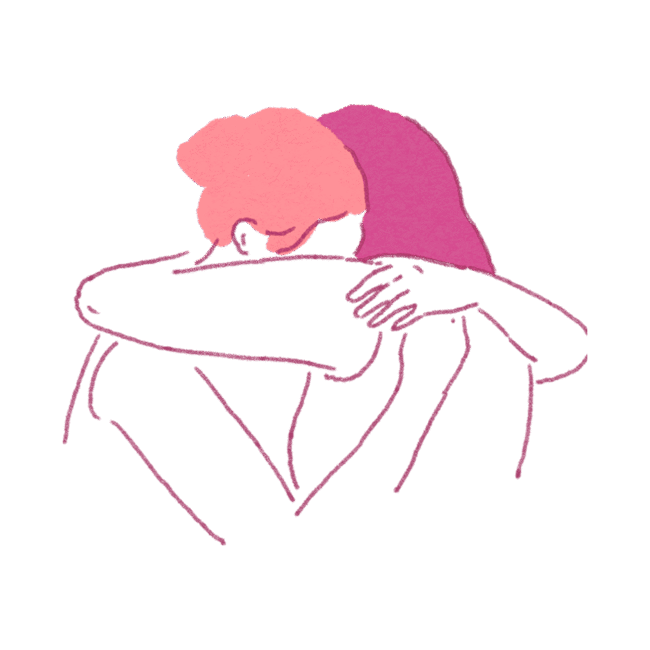
Consider who is directly affected or important to tell, such as a partner, parents, or someone you rely on for support.

If possible, find a time when you won’t be rushed or interrupted. Feeling unhurried can make a difficult conversation feel more manageable.


Before you talk, ask yourself what you need most right now. This might be sharing information, asking for support, or simply being heard.

Using “I” statements can help you express how you’re feeling without assuming how the other person will respond. For example, saying “I’m feeling really nervous” can open space for understanding.

You’re allowed to say what kind of support you want. You might say, “I’m not looking for advice right now,” or, if you want input, let them know that too. Being upfront can help prevent misunderstandings.

You don’t have to explain everything at once. It’s okay to share what feels appropriate now and keep other details private.

People may respond with support, fear, confusion, or strong emotions. They may need a little time for the shock to wear off. If this pregnancy affects them too, they may be experiencing their own emotions, like shame, grief and fear, too. It can help to remember that their initial reaction belongs to them. You can notice it, but you don’t have to fix it, absorb it, or have all the answers. Even if someone reacts poorly at first, their response does not define your worth or determine your future.

Hard conversations can be emotionally draining. Think ahead about who you might check in with afterward to help you feel steadied.

The first conversation about a pregnancy is about communication, not agreement or decision-making. It’s okay to allow time for emotions to settle and information to be gathered before working through next steps.

friendshug
Final thoughts

You’re Not Alone

As you move forward, try not to isolate yourself with what you’re carrying. Stay connected to the safe people you’ve identified, and consider reaching out for counseling or professional support if you need additional care. Many others have walked this path before you, and you’re not meant to carry it alone.

stringhands

WANT TO KEEP EXPLORING YOUR NEEDS?

Unexpected pregnancy can impact many areas of your life. Every part of your life that matters to you is allowed to be considered here. Explore each one now.

Learn more