

Heart + Soul
This dimension invites you to reflect on what you believe, where those beliefs come from, and what aligns with your values.
Exploring Your beliefs
Spirituality can mean many things. For some, it is a relationship with God or a Higher Power. For others, it is a sense of meaning, conscience, and connection, sometimes expressed through inner reflection, nature, or a larger sense of purpose. Whatever you believe, this part of you can shape how you experience the pregnancy and how you approach the decisions ahead.
Making a decision about what to do with this pregnancy can, for some, bring up questions about morality, meaning, and what feels consistent with deeply held beliefs. This can be a real place of wrestling. If you find yourself here, know that you’re not alone. This kind of wrestling is a natural part of taking something meaningful seriously, and giving these questions your honest attention matters, even in a limited window of time.
If you grew up within a religious faith tradition, that background may shape how you experience this moment, sometimes in ways that feel supportive and sometimes in ways that feel complicated. If your spirituality is not connected to a religious tradition, you may still feel torn between values or a moral framework that influences how you think and feel about this decision. The goal here is to become aware of how these beliefs are shaping you, so you can move forward with greater clarity about what feels aligned and what may carry tension, and carry the decision ahead with greater steadiness.
Which of these best describes your experience with spirituality?
A – It’s a cornerstone—my faith tradition provides a moral framework and shapes my daily decisions.
When faith is central, it can be a steady place to return to in moments like this.
Consider: How can the core teachings and practices of my faith guide me as I consider my options?
B – I have some religious or spiritual beliefs, but they don’t usually guide my everyday life or major decisions.
Even if spirituality isn’t a big part of your life, you might notice certain beliefs or gut feelings showing up during times like this.
Consider: In what ways, if any, do my spiritual beliefs or inner feelings influence how I think about this decision?
C – I’m uncertain about religious faith or spirituality. I’m exploring.
Even while exploring, questions and values can still shape how you think about this.
Consider: What questions or values feel most important as I think about this decision?
D – I’m not religious and don’t consider myself spiritual. I have values that guide what matter to me.
Values can offer a strong sense of direction, especially when decisions feel weighty.
Consider: How do my core values and sense of purpose shape how I want to approach this decision?
Turning Toward What Grounds You
Many spiritual paths emphasize kindness, grace, and compassion. If this has guided you in the past and still feels relevant now, you may find it helpful to draw strength from those beliefs during moments like this. That might look like:
- spending quiet time in prayer, reflection, or meditation
- reading or returning to sacred or meaningful texts
- talking with a trusted faith leader or a few people who share your beliefs
There is no one right way to do this. Choose what feels aligned and supportive to you.
Spiritual Reflection
Many of us don’t spend much time thinking about the moral or spiritual side of unintended pregnancy—until we find ourselves here. It’s normal not to have thought this through before. But now that you’re in this experience, you may be reflecting on these questions more deeply or more intentionally than ever before. That makes sense.
There are no right or wrong answers in this reflection. The goal is just to reflect so you can better understand what you believe and where those beliefs come from so you can steady yourself as you move ahead.
Take your time. Write honestly. You don’t have to have everything figured out.
Paying Attention to Inner Tension
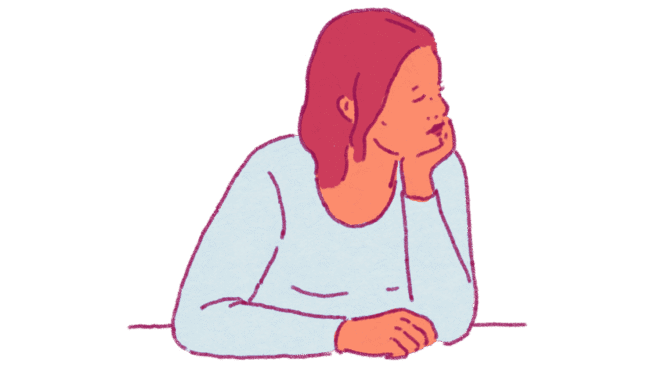
Processing spiritual or moral convictions may feel challenging because they can touch a core sense of meaning and conscience. For many people, these convictions quietly shape their sense of self. When deeply held beliefs or values feel at odds with other real needs, responsibilities, or relationships, this can create inner tension. That does not mean something is wrong with you. It simply means you are human, feeling pulled in different directions. In moments like this, it can help to pause and notice what that tension reveals about your deeply held beliefs.
WANT TO KEEP EXPLORING YOUR NEEDS?
Unexpected pregnancy can impact many areas of your life. Every part of your life that matters to you is allowed to be considered here. Explore each one now.
Learn more